Welfare Meeting Template: Complete Guide for Employers

When employees face health challenges that affect their ability to work, employers have both a legal duty and moral obligation to provide supportive assistance. According to recent statistics, the average UK employee takes 5-6 days of absence annually, with mental health issues accounting for over 12% of long-term absences. In these circumstances, welfare meetings play a vital role in maintaining communication open between employers and workers whilst ensuring proper support is provided.
A welfare meeting template provides the essential framework needed to conduct these crucial conversations professionally and consistently. This comprehensive guide will explain how to create and use effective templates that protect both your business and employees whilst ensuring full legal compliance.

What is a Welfare Meeting Template?
A welfare meeting template is a structured document that guides employers through informal, supportive conversations with employees during sickness absence or wellbeing concerns. Unlike disciplinary meetings, these conversations aim to demonstrate care for the employee’s health and wellbeing whilst exploring practical support options.
The template serves as a standardized framework ensuring consistency across all welfare meetings within an organization. This pre-designed structure includes meeting agenda items, question prompts, and documentation sections that help managers conduct productive discussions without feeling unclear about the process.
Most importantly, welfare meeting templates are essential tools for HR departments to conduct effective welfare meetings after 4+ weeks of absence. They help distinguish these supportive conversations from formal disciplinary or medical capability meetings, ensuring the right approach is taken for each situation.
The template ultimately helps employers meet their duty of care obligations whilst protecting themselves from potential legal challenges. By following a structured approach, businesses can reassure employees that their wellbeing is the priority whilst maintaining proper records of all discussions and support offered.
Essential Components of a Welfare Meeting Template
Every effective welfare meeting template should include several crucial elements to ensure comprehensive coverage of employee needs and legal requirements.
Meeting Preparation Elements
The template must include a meeting invitation letter section with 48-72 hours advance notice requirement. This ensures employees have adequate time to prepare and arrange support if needed. The invitation should clearly explain the supportive nature of the meeting to avoid causing unnecessary anxiety.
An employee information section is vital, incorporating absence start date, fit note details, and previous absence history. This background information helps managers gain a better understanding of the circumstances whilst ensuring conversations remain relevant and informed.
Core Meeting Components
A comprehensive meeting agenda template should cover health status, prognosis, treatment progress, and support needs. This structure ensures all essential aspects are discussed whilst preventing important topics from being overlooked.
Consent forms for medical reports and occupational health referrals must be included, as these may be required to address the employee’s situation effectively. Clear consent processes protect both parties and ensure compliance with data protection law.
Documentation and Follow-up
The template should feature an action plan section for documenting agreed adjustments and next steps. This creates accountability and ensures promised support is delivered as discussed.
A follow-up meeting scheduler for regular check-ins every 2-4 weeks helps maintain ongoing communication. The frequency can be adjusted based on the employee’s circumstances and recovery progress.

Meeting Structure and Agenda Template
A well-structured agenda ensures welfare meetings remain focused and productive whilst covering all necessary topics comprehensively.
Opening the Meeting
Begin with an opening statement emphasizing the supportive, non-disciplinary nature of the meeting. This immediately sets the right tone and helps employees feel comfortable participating in honest discussions about their health and circumstances.
The opening should clearly explain the meeting’s purpose: to discuss the employee’s wellbeing, understand their needs, and explore how the employer can provide helpful assistance during their absence.
Core Discussion Areas
The employee wellbeing assessment section should feature open-ended question prompts that encourage honest communication. These questions should explore how the employee is feeling, their current challenges, and their concerns about returning to work.
Current health status discussion should be based on the latest fit note dated within 7 days where possible. This ensures conversations are grounded in current medical advice rather than outdated information that may no longer reflect the employee’s circumstances.
Support and Planning
Treatment and recovery timeline exploration should incorporate GP or specialist recommendations where available. Understanding the medical perspective helps employers make informed decisions about reasonable adjustments and support options.
Workplace support options discussions should cover reasonable adjustments, phased return plans, or modified duties. This demonstrates the employer’s commitment to accommodating the employee’s health needs whilst maintaining business operations.
The meeting should conclude with a summary section documenting agreed actions with specific deadlines and responsibilities. This ensures clarity about next steps and creates accountability for both parties.
Sample Question Templates for Different Scenarios
Different absence situations require tailored approaches, and having specific question templates ensures appropriate sensitivity whilst gathering necessary information.
Short-term Absence Templates
For recent absences, focus on recovery timeline and immediate support needs:
- “How are you feeling about the possibility of returning to work?”
- “What support would help you during your recovery?”
- “Are there any workplace factors that may have contributed to your absence?”
These questions help identify quick wins and demonstrate immediate care whilst avoiding pressure to return prematurely.
Long-term Sickness Templates
Extended absences require more comprehensive discussions addressing ongoing treatment and workplace modifications:
- “What adjustments or support would help you manage your condition at work?”
- “Would you be comfortable with us contacting your GP for a fitness-for-work report?”
- “How do you feel about the prospect of returning to work in the foreseeable future?”
These conversations help identify whether there is little or no prospect of return whilst exploring all available support options.
Mental Health-Specific Questions
Mental health discussions require particularly sensitive language and appropriate support signposting:
- “Have you been able to access the mental health support you need?”
- “Are there aspects of your role or workplace environment that affect your wellbeing?”
- “What would help you feel more comfortable about returning to work?”
These questions acknowledge the nature of mental health challenges whilst maintaining professional boundaries and encouraging treatment engagement.
Recurring Absence Templates
Patterns of absence may require exploration of underlying causes:
- “Have you noticed any patterns or triggers for your absences?”
- “What changes might help reduce the impact of your condition on your ability to attend work?”
- “Would a referral to occupational health be helpful in your circumstances?”
These discussions aim to identify systemic issues whilst maintaining empathy for the employee’s situation.

Documentation and Record Keeping Template
Proper documentation protects both employers and employees whilst ensuring compliance with legal requirements and organizational policies.
Meeting Notes Template
A standardized meeting notes template should include specific sections for consistency and legal compliance. Essential sections include attendee details, key discussion points, employee responses, and agreed actions.
The attendance record must capture details of the employee, manager, HR representative, and any companion present. This creates a clear record of who participated in the conversation and their respective roles.
Key Information Recording
Document the key discussion points summary covering health status, support offered, and employee responses. This creates an evidence trail of the employer’s supportive approach and the employee’s engagement in the process.
The agreed actions template should specify deadlines, responsible parties, and review dates. This ensures accountability and provides a framework for measuring progress towards agreed outcomes.
Confidential Filing Requirements
Establish a confidential filing system for welfare meeting records separate from disciplinary files. This distinction is crucial for maintaining the non-punitive nature of welfare meetings and protecting employee privacy.
Include a data protection compliance checklist ensuring GDPR requirements are met throughout the process. This covers consent for processing health information, data retention periods, and access rights.
Legal Compliance and Risk Management
Welfare meeting templates must incorporate legal requirements to protect both employers and employees from discrimination and ensure proper duty of care.
Equality Act 2010 Compliance
Include an Equality Act 2010 compliance checklist for reasonable adjustments discussions. This ensures disabled employees receive appropriate consideration for workplace modifications that could enable their continued employment.
The template should prompt discussion of potential adjustments covering environment, equipment, duties, and working arrangements. Relevant workplace documentation—such as annual leave request letters—should record both adjustments offered and any declined by the employee with their reasons.
Health and Safety Obligations
Health and Safety at Work Act 1974 duty of care documentation requirements must be addressed throughout the welfare meeting process. This includes identifying workplace factors that may affect employee health and taking steps to address concerns raised.
Employment Rights Act 1996 provisions around statutory sick pay and absence management should be referenced to ensure employees understand their rights and entitlements during absence periods.
Risk Assessment Elements
Include disability discrimination risk assessment templates for scenarios where adjustment requests cannot be accommodated. This ensures decisions are properly considered and documented with clear business justifications.
Template disclaimers should clarify the non-disciplinary nature of welfare meetings to prevent misunderstanding about the meeting’s purpose and reduce employee anxiety about participation.

Follow-up Actions and Review Template
Effective welfare meetings require robust follow-up processes to ensure promised support is delivered and employee progress is monitored appropriately.
Scheduling Next Contact
The next meeting scheduler should recommend appropriate intervals: 2 weeks for acute conditions requiring close monitoring, and 4 weeks for stable conditions where progress is steady. This balance maintains supportive contact without becoming intrusive.
Consider the employee’s preferences and treatment schedule when planning follow-up contact. Some employees may prefer written updates between meetings, whilst others benefit from regular phone calls to discuss their progress.
Occupational Health Referrals
An occupational health referral template should include specific questions about the employee’s fitness for work and potential adjustments. Obtain proper consent before making referrals and explain how the process will benefit both employee and employer.
The referral should ask about the employee’s ability to perform their current role, suitable modifications, and prognosis for improvement. This professional input often provides valuable guidance for making informed decisions about long-term support.
Implementing Reasonable Adjustments
Create a reasonable adjustments implementation checklist covering equipment modifications, environmental changes, or duty adjustments agreed during the meeting. Assign responsibility for each action and set realistic timescales for implementation.
A phased return-to-work plan template should outline graduated hours and responsibilities over 2-8 weeks depending on the employee’s circumstances. This gradual approach often proves more successful than immediate full-time returns.
Case Escalation Criteria
Establish clear criteria for progressing cases to formal medical capability procedures when supportive measures have been exhausted. This might occur when medical advice indicates little or no prospect of improvement or return to the required standard of attendance.
Maintain a communication log template for ongoing contact during extended absence periods. This ensures continuity of support and demonstrates sustained engagement with the employee’s situation.
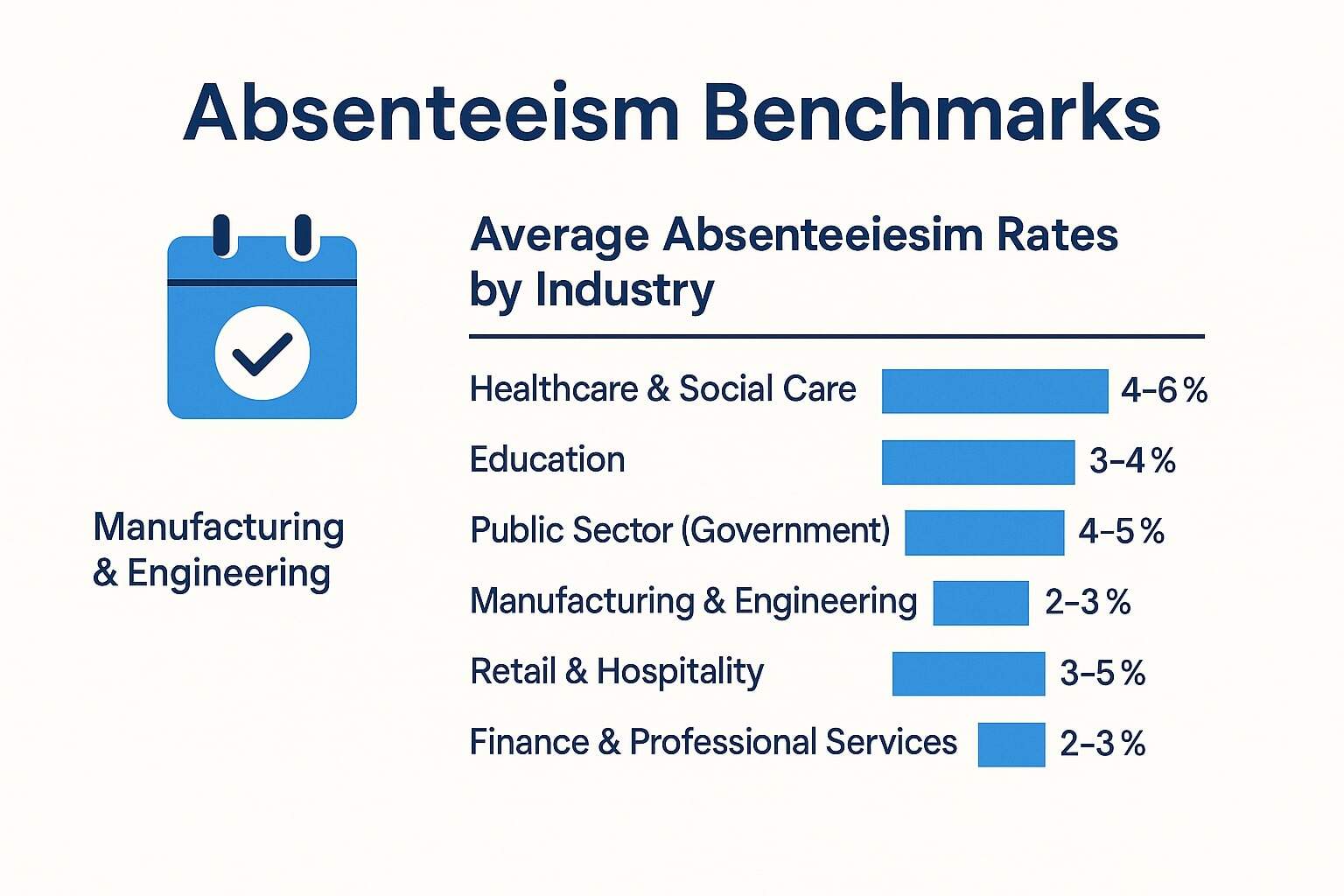
Template Customization for Different Industries
Different industries face unique challenges requiring tailored approaches to welfare meetings whilst maintaining core principles of support and legal compliance.
Healthcare Sector Considerations
Healthcare templates must incorporate shift patterns, infection control requirements, and patient safety considerations. Staff absence in healthcare settings can directly impact patient care, making effective absence management crucial.
Consider the physical and emotional demands of healthcare roles when discussing reasonable adjustments. Options might include modified duties, reduced patient contact, or administrative responsibilities during recovery periods.
Education Sector Adaptations
Education templates should address term-time schedules, teaching responsibilities, and safeguarding requirements. The cyclical nature of academic years affects both absence patterns and return-to-work planning.
Teaching roles may require specific considerations around classroom management, student welfare, and curriculum delivery when planning phased returns or duty modifications.
Manufacturing and Industrial Settings
Manufacturing templates must cover health and safety risks, physical demands, and machinery operation requirements. The safety-critical nature of many manufacturing roles affects decisions about fitness for work and reasonable adjustments.
Consider whether modified duties can be accommodated within safety requirements and whether additional training might be needed following extended absence periods.
Office-Based Environments
Office templates should focus on workstation adjustments, flexible working arrangements, and stress management support. These environments often offer more flexibility for accommodating various health conditions through workspace modifications.
Technology solutions may enable remote working or flexible hours to support employees with ongoing health conditions whilst maintaining productivity and engagement.
Retail and Customer Service
Retail templates must address customer-facing responsibilities, physical demands of standing or lifting, and peak trading period pressures. Consider how health conditions might affect customer interaction ability and explore alternative duties where possible.
Shift pattern flexibility and break arrangements may provide effective reasonable adjustments for employees with certain health conditions whilst maintaining customer service standards.
Welfare meeting templates represent an essential tool for modern employers committed to supporting their workforce through health challenges whilst protecting their business interests. When properly implemented, these templates create a framework for productive conversations that benefit both employers and employees.
The structured approach ensures consistency, legal compliance, and proper documentation whilst demonstrating genuine care for employee wellbeing. This supportive environment often encourages earlier engagement with treatment and faster return to work, ultimately benefiting business performance.
Investing time in developing comprehensive welfare meeting templates pays dividends through reduced absence duration, improved employee engagement, and protection from legal challenges. The templates provide managers with confidence to handle difficult conversations whilst ensuring employees receive the support they need during challenging periods.
Consider reviewing your current absence management processes and implementing structured welfare meeting templates that reflect your industry needs and organizational values. Your employees’ health and your business success depend on getting this crucial process right.