Making the transition to a digital/online absence management system

While most businesses are constantly looking to overhaul, upgrade, and improve the way they do things, an area they commonly overlook is how they manage staff absence. This mainly down to the fact that a lot of companies don’t see any room for improvement in something as seemingly trivial as how their employees book their holiday, for instance.
An online absence management system is a digital, cloud based system designed to track, record, and manage all forms of employee time off, including vacations, sick leave, and unplanned absences. By leveraging a cloud based system, organisations benefit from secure, scalable, and accessible solutions available from anywhere.
Conversely, however, making the switch to a digital absence management system can result in significant benefits, including significant time savings and increased productivity. Introducing a self service portal allows employees to manage their own absences independently from any device, empowering staff and improving satisfaction. This post looks at how to begin the transition to an online leave management system.
Introduction to Absence Management Software
Absence management software is transforming the way organisations handle employee absence. Instead of relying on outdated spreadsheets or paper forms, businesses can now use a digital platform to manage all types of absence, from sickness absence and annual leave to unplanned absences. With absence management software, HR teams and managers gain a centralised view of employee absence, making it easier to monitor attendance, approve requests, and ensure compliance with company policies. This streamlined approach not only reduces the administrative burden but also empowers organisations to make informed decisions that support employee attendance and wellbeing. By adopting a digital absence management system, companies can boost morale, reduce delays in processing leave, and create a more productive and engaged workforce.
Review your existing leave management system
The first step to changing your leave and absence management system is to take a detailed look at your current way of doing things. It’s a good idea to start with the two types of absence your business deals with the most: holidays and sick days.
For annual leave, things to consider include:
How does an employee currently book annual leave?
What are the steps involved and could any of them be removed?
How many people does it take to approve a holiday request?
How easy is it to track how much annual leave an employee has left?
How do employees check their holiday entitlement, and does the process ensure accurate records of leave balances?
How easy is it to find out who’s going to be absent at any given time?
Similarly, what happens when a member of staff calls in sick?
Who are they required to speak to?
Who records sickness absence and where?
What kind of information is recorded?
Can employees log sickness in just a few taps using a mobile app?
After reviewing your current processes for dealing with annual and sick leave, you can move onto other kinds of absence – especially if your company has encountered them recently.
Self-service absence management software allows employees to check their holiday entitlements and request annual leave easily, streamlining absence requests and helping maintain accurate records.
After looking into your existing processes for handling absence, ask your HR personnel and employees about their experiences. Encourage them to be open and honest about any frustrations they may have with trying to book time off or when they have to take a sick day. Ask how you think feel things could be improved. This can be a quick and effective way of discovering any flaws and inefficiencies in your current system – each of which is an opportunity for improvement. Having a central place to access policies, book time off, and log sickness reduces miscommunication risks and helps maintain accurate records.
Identify the potential benefits of improving how you manage staff absence
Once you’ve reviewed your present methods of dealing with employee absence, you’ll have an idea of how you can improve them. Better still, it’s here that you’ll be able to identify all the potential benefits of making the move to a digital leave management.
If when reviewing your process for booking annual leave, for instance, you determine that the process has too many steps or goes through too many people, what would be the benefit of streamlining it some way? Self-serve options help reduce administrative overheads and improve employee satisfaction by allowing staff to independently manage their leave. Real-time updates ensure employees always know how much holiday they have left to use. How much time could an automated system save everyone in the company – especially your HR department? If you discover that tracking an employee’s remaining annual leave is trickier than it should be, what are the benefits of making it easier? Employees can easily log absences, making tracking holiday balances and sickness levels accessible. Absence management systems can also alert managers with system alerts when absence or sickness levels exceed predefined thresholds, enabling proactive management. How much potential conflict could be prevented and how would that positively impact staff morale?
Tracking absence data helps organizations identify patterns or trends among employees, while real-time dashboards help track absence trends and compliance areas. Automated workflows in absence management can cut multi-site administrative tasks, reducing administrative overheads significantly. Self-service features allow employees to manage their own leave requests and track their entitlements, further streamlining the process and supporting employee wellbeing.
In short, how could changes to your leave management processes benefit your staff? Improved absence management supports employee wellbeing by enabling organizations to proactively monitor and manage wellbeing-related absences. And how could they benefit the company as a whole?
Once you systematically do that for every type of absence you deal with—including flexible policies like time off in lieu that can be managed within the system—you’ll start to get a clearer picture of just many advantages there are to transitioning to an online leave management tool.
Key Features of a Digital Solution
A modern absence management software solution comes packed with features designed to simplify and enhance the way organisations manage absence. Employee self-service functionality allows staff to log absences, submit holiday requests, and check their leave balances with just a few taps—whether they’re at their desk or using a mobile app. Automated absence tracking and real-time reporting help HR teams and managers track absence trends, monitor compliance risks, and respond quickly to any issues. Integration with payroll systems ensures that absence data flows seamlessly into payroll calculations, reducing errors and saving valuable time. Customisable absence types and automated workflows mean the system can adapt to your company’s unique policies, while self service portals give employees greater control over their own records. With these key features, absence management software makes it easier than ever to manage compliance, support employee attendance, and keep your business running smoothly.
Workforce Management and Planning
Effective workforce management relies on the ability to plan ahead and respond proactively to staff absence. With an absence management system, organisations can easily track working hours, approve holiday requests, and manage leave balances to ensure adequate coverage at all times. This level of visibility helps managers anticipate staffing gaps, minimise disruption, and maintain productivity even during peak holiday periods or unexpected absences. By analysing absence data, businesses can identify patterns—such as recurring sickness absence or spikes in unplanned absences—and implement targeted interventions to support staff wellbeing. Ultimately, a robust absence management software solution enables organisations to optimise workforce management, reduce the impact of absence, and create a healthier, more resilient workplace.
Find an online leave management system that meets the needs of your company
After identifying improvements, you can make to your current system and the benefits of making those changes, look into different leave management tools to determine which will best suit your business. You should now be able to make a shortlist of the main things your company needs from an online leave management system, including the importance of integration with core HR and people management features for a comprehensive solution. This ensures your absence management is not isolated, but works seamlessly with employee records, onboarding, and compliance processes. You can match these needs to the features and functionality of the different solutions on offer.
When you find a handful that look like a good fit, compare the features of each to see how they match up to the needs of your business. Look for a holiday booking system and staff holiday booking system as dedicated, user-friendly platforms for managing leave requests, approvals, and holiday entitlements. Consider whether the solution offers centralized management of HR documents for compliance and easy access, as well as time tracking features to monitor working hours and support resource planning. Effective absence management solutions should provide seamless integration with existing HR processes, allowing for real-time visibility of employee attendance and helping organizations manage complex workforces more effectively. Comprehensive reporting capabilities are also important, as they generate insights on leave trends, accruals, and usage. Data security should include secure storage, role-based permissions, secure audit trails, and compliance with regulations such as GDPR. Line managers should have access to dashboards and reports to monitor absence metrics and generate actionable insights for their teams. If you really want to get a feel for how each tool works, consider a brief trial, involving a handful of employees, to determine how much easier it makes things in practice and to measure how effective it is.
Then finally, when you’ve selected a suitable leave management system, inform all your employees of the coming transition and the new and improved way they’ll be doing things going forward. Fortunately, one of the advantages of digital absence management tools is how intuitive and user-friendly they are, so it’ll take very little time for your staff to get up and running and to reap the benefits of your new streamlined system.
Implementing a Digital Solution
Transitioning to a digital absence management system is often much simpler than expected. Most absence management software is cloud-based, offering secure location storage for all employee absence records and automated processes that eliminate the need for manual data entry. Getting started typically involves setting up your company account, configuring absence policies, and providing basic training for employees and managers. Many solutions offer single sign-on access, making it easy for users to log in with existing credentials, and provide clear audit trails to support compliance and transparency. Integration with existing HR software and payroll solutions further streamlines the process, ensuring that all absence data is kept up to date in one secure location. By automating routine tasks and reducing admin time, a digital absence management system frees up HR teams to focus on more strategic initiatives.
Analyzing Absence Trends
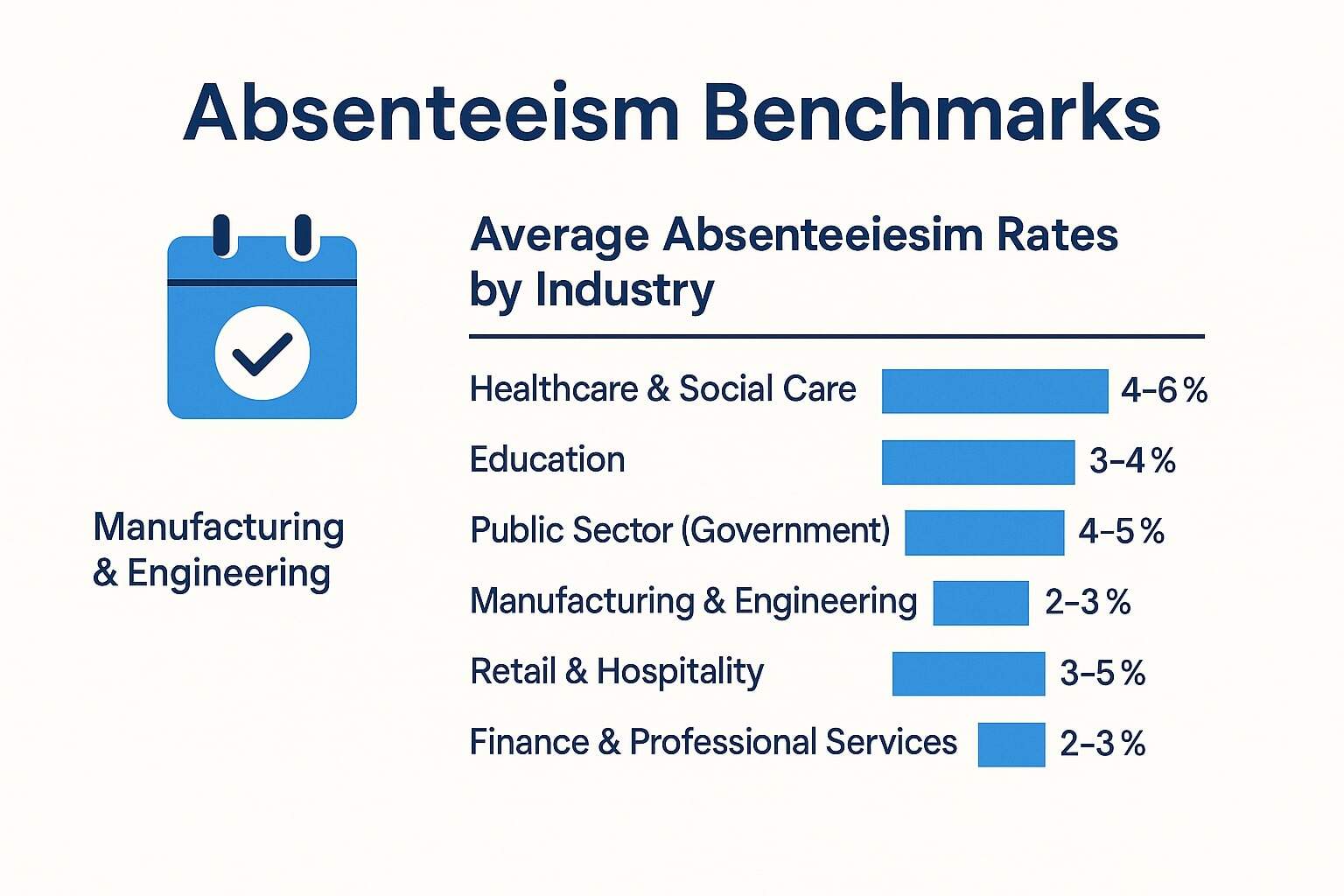
One of the most powerful advantages of absence management software is the ability to analyse absence trends across your organisation. With access to comprehensive employee records and real-time absence data, HR teams can track absence rates, monitor unauthorised absence, and identify patterns that may indicate underlying issues. Tools such as Bradford Factor scores and sickness level reports help pinpoint areas where targeted interventions could improve employee attendance and wellbeing. By understanding the root causes of absence, organisations can take proactive steps to manage absence more effectively, reduce compliance risks, and support a healthier workforce. Ultimately, leveraging absence management software for data-driven insights enables businesses to make informed decisions, improve productivity, and foster a positive employee experience.